
Top Things to do in Paracas: Complete Travel Guide (2025)
With so many of Peru’s main attractions nestled in the mountains, it’s easy to forget how much the coastline has to offer. The little fishing village of Paracas, just 3 hours from Lima, is an example of the diverse wildlife and other-wordly landscapes that can be found along the coast of Peru.
Some of the most popular things to do in Paracas include taking a boat trip to the Islas Ballestas, which has been named the ‘Poor Man’s Galapagos’, and hiring a bike or dune buggy to explore Paracas National Reserve and its pristine beaches.
We didn’t fully know what to expect on our visit to Paracas. We had some friends visiting from back home and decided that the boat trip would be a fun activity to add to our itinerary. However, once we actually arrived we realised how much more there was to see than just the nearby islands.
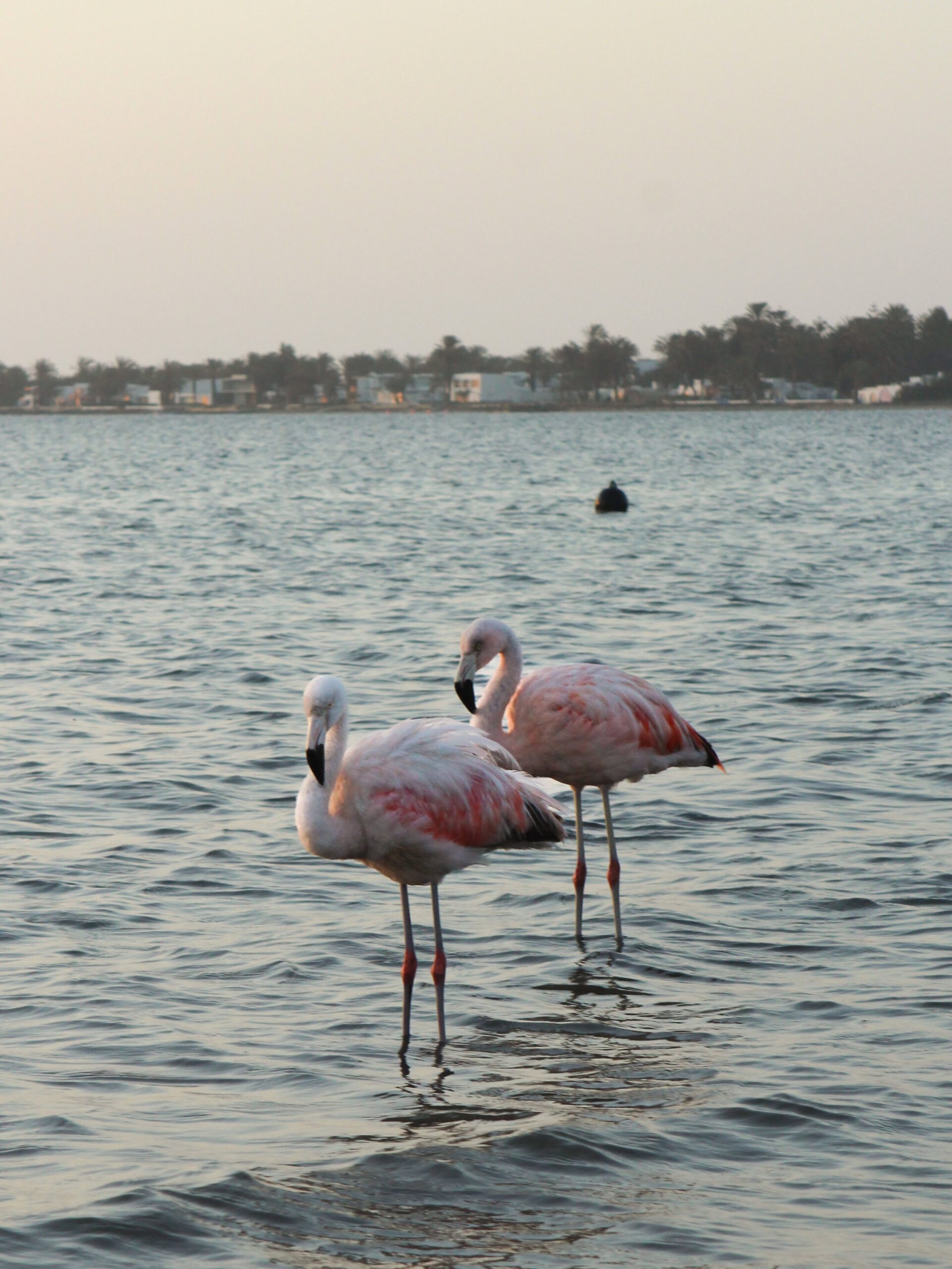
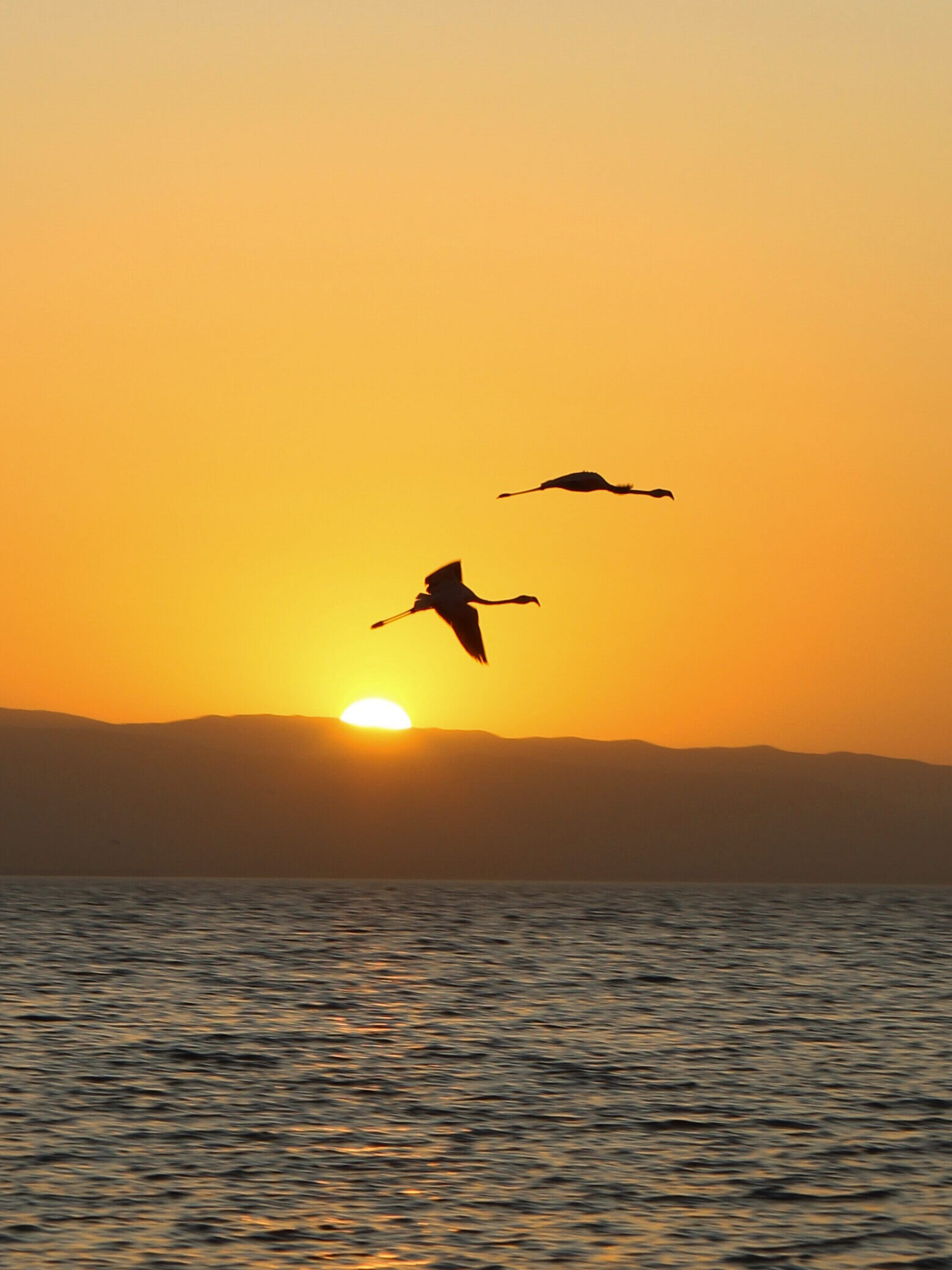
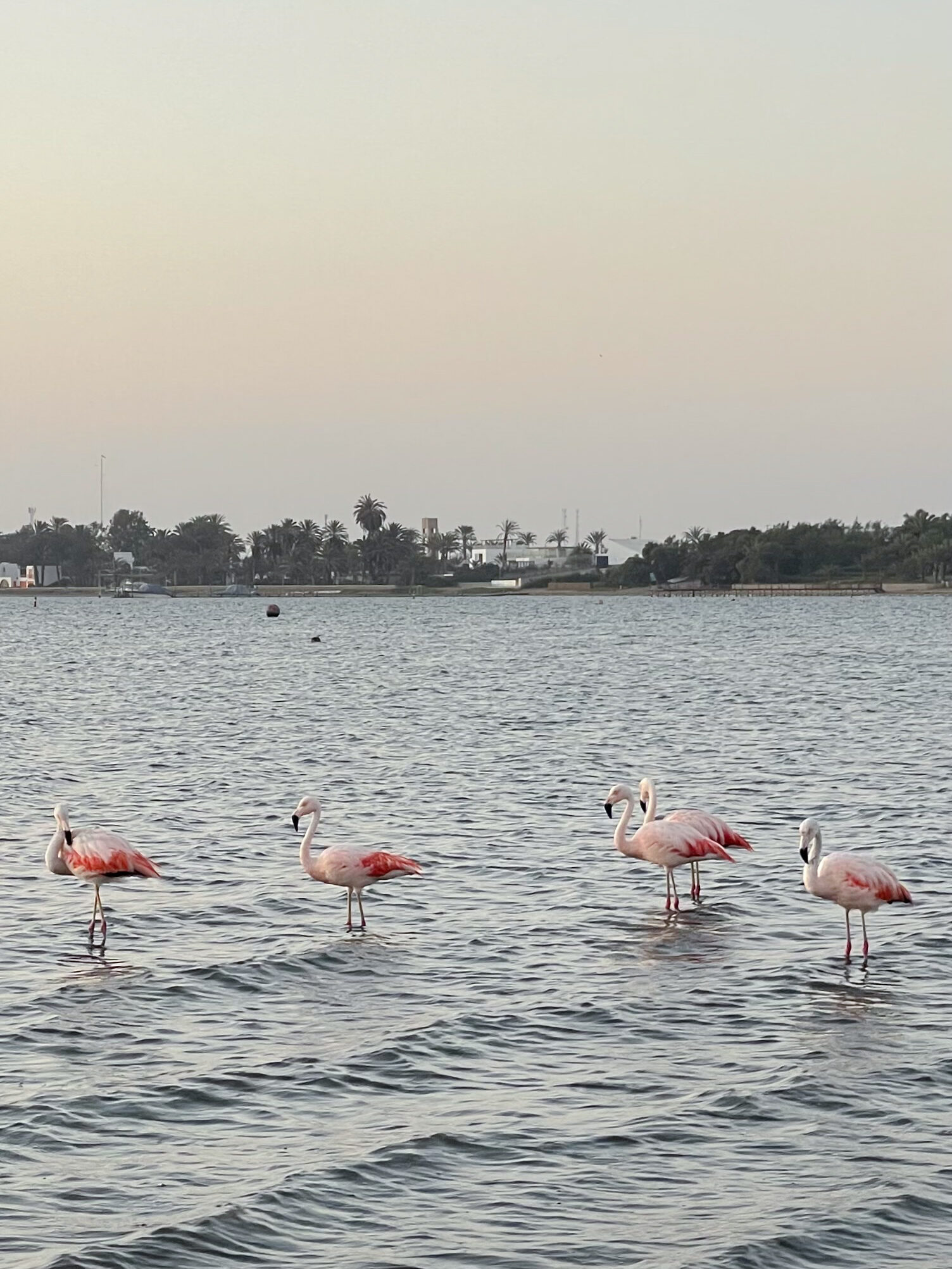
We even ended up enjoying a magical sunset on a beach full of flamingos!
To make sure you don’t miss any of the magic of Paracas, we’ve put together a full guide of all the things to do, how to do them, cost and more.

Is Paracas worth visiting?
The short answer is YES! Paracas was one of our favourite stops in Peru and has so much to offer. It’s heaven for wildlife enthusiasts and beach lovers alike.
However, we believe you’ll have a better time here if you manage your expectations just a little. The main reason to visit Paracas is to take a boat tour to the Islas Ballestas. These islands are known to be a budget version of the Galapagos.
However, after visiting the real thing, it’s hard to compare the two. Though Paracas is home to some incredible wildlife such as sea lions, Humboldt penguins and many species of seabirds, it really doesn’t touch the real thing.
Having said this, Paracas is amazing in its own right, so if you are visiting for everything Paracas has to offer and not to replace the Galapagos, you’ll love your time here as much as we did.
Aside from the ‘Poor Man’s Galapagos’, Paracas has a stunning rugged coastline and some of the most unique beaches we’ve ever seen. You’ll have so much fun exploring this desert landscape by bike or dune buggy. It’s completely different to anything else we experienced in Peru, so if you want to add a bit of diversity to your itinerary, we couldn’t recommend it more.
What to do in Paracas


Take an Islas Ballestas Tour
The Islas Ballestas are a small set of islands just 24 km off the coast of Paracas. These islands are the main draw to the area for people looking to have encounters with sea lions, Humboldt penguins and the abundant population of seabirds which include the famous blue-footed boobies and cormorants.
If you go between July and October, you might even spot humpback whales as they pass through on their migratory path!
The only way to visit these islands is on a boat tour. Tours leave from Paracas at 8 am and 10 am. We recommend either staying in Paracas and organising the tour the night before or arriving earlier than 8 am to make the first boat departures.
This is because the wind tends to pick up later in the day and can cause the sea to be too rough for the boats to make it out to the islands. This was the case when we visited which meant that the 10 am boats were cancelled.
Tours last between 1.5 and 2 hours. If you take the 8 am tour, you’ll be back by 10 am to enjoy the rest of your day in Paracas itself.
It’s not possible to depart the boat and walk around the islands so all the wildlife viewing will be done from the boat. You’ll spend 30-40 minutes in total manoeuvring around the islands and getting pretty close to incredible wildlife.
Tours cost around S/40 – S/100 ($11-$27). You’ll be inundated with offers from tour companies as soon as you arrive in Paracas so you won’t be short on choice. However, if you prefer to book online, you can book here.


Visit the alternative Isla Blanca
If you’re like us and end up arriving in Paracas a little too late for the Isla Ballestas tour when the seas are too rough, all hope is not lost.
Instead we were able to do a boat tour to the closer island of Isla Blanca. Although it’s smaller and closer to the shore, we still managed to see many penguins waddling along the rocky shores, sea lions sunbathing on abandoned boats and so many seabirds darting into the water to catch their daily fish.
After looking into the Islas Ballestas, we didn’t really feel like we missed much visiting Isla Blanca instead. Therefore, we highly recommend it if you can’t make it out to the further islands.
Boat tours to Isla Blanca leave at 8:30 am and 10:30 am each morning and cost S/40 to S/100 ($11-$27) per person.

Don’t miss the ‘Paracas Candelabra’
Whether you decide on a tour to the Islas Ballestas or Isla Blanca, make sure to keep an eye out for the ‘Candelabra’. This is a huge 595 feet tall ancient geoglyph which dates back to at least 200 BC!
Its origins remain a mystery, just like that of the famous Nasca Lines. It’s definitely an impressive sight to see.


Explore the Paracas National Reserve
One of the best things to do in Paracas is to visit the Paracas National Reserve.
Here you can explore the incredible desert landscape and make stops at a variety of sandy beaches such as Yumaque, Playa Roja and Playa Las Minas.
You have multiple options when deciding how to explore the national park. We decided to rent out some bikes and cycle but you can also enjoy a thrilling adventure by dune buggy or take a bus tour to see the highlights.


By Bike
The highlight of our Paracas trip was the 30+ km cycle around Paracas National Reserve.
Bikes can be rented from a variety of places within Paracas town and cost between S/30 and S/50 ($8-$13) for the full day.
Whether you want the cheapest price or the best quality bike, there are plenty of options, so make sure to shop around for the best deal. However, it’s important to note that the roads aren’t in the best condition so you’ll be much more comfortable if you pick a higher quality bike.
We highly recommend getting the contact details of your bike rental company in case of an emergency. We had the small issue of a popped tyre whilst on our journey but it was easily solved with a quick message to the rental company who were able to deliver a replacement bike as soon as we notified them of our location.
As we had so much of the day left after our boat tour, we decided to explore the national reserve at 11 am. Although it was definitely doable in one afternoon, we’d really recommend leaving early in the morning instead, preferably before 8 am.
This is because the midday heat and strong headwind made it much more difficult to cycle the gradual incline that makes up the first half of the route. However, if you are short on time and exploring in the afternoon is your only option, we still recommend it.
From Paracas town you will need to cycle 15-20 minutes to reach the National Reserve entrance. There is a small fee of S/11 ($3) to enter. Once through the entrance, head left and follow the signposts to La Catedral. This is where you’ll begin your 10 km gradual incline.
The first right turn you come to leads to Yumaque beach. However, we recommend continuing a little further until you reach the following right turn that leads you to Playa Supay and La Catedral.
La Catedral was once an impressive rock formation but it unfortunately fell down during an earthquake in 2007. However, you still get beautiful views from here and can see the remnants of what was La Catedral.
After this, continue on to Yumaque beach, Mirador Istmo, and to our favourite stop, Playa Roja. As the name suggests, this beach is the most spectacular red colour. For its preservation it’s prohibited to walk onto the beach, but seeing it from above is arguably more impressive anyway.
If you’re short on time, it’s possible to follow the route in a loop back to Paracas from here. Alternatively you can continue on to Lagunillas. This is a great place to stop for a bite to eat before continuing to the popular local beach of Playa La Mina. The road here is a little tricky to cycle but it’s more than worth the slog as this is the best beach for relaxing and taking a refreshing dip.
After La Mina you can begin riding downhill back towards Playa Roja, before taking a well-signposted left turn back to Paracas town.
The full loop, with plenty of stops to relax on the beach and take photos, took us around 7 hours. However, how long it takes you really depends on the amount of time you spend in each place and your cycling speed.
Without a Bike
If cycling isn’t your thing but you don’t want to miss out on the sights of Paracas National Reserve, it’s possible to explore without a bike. There are two options to choose from:
- Dune Buggy Tour – If you want something a little more high speed and exhilarating, this is the option for you. Many tours offer a 2 person mini buggy or ATV which you get to drive through Paracas National Reserve and to some spots that can’t be reached by bicycle. Tours can be booked whilst in Paracas for around S/40 ($11), or you can book online here.
- Bus Tour – If you aren’t much of a thrill seeker, you can take a 2-3 hour bus tour around the main highlights of the national reserve. Although this option means spending a bit more time inside a bus, with less time to enjoy the beaches and sights themselves, it’s still a great option if you are short on time. Tours usually cost around S/30 ($8) per person.
Kitesurfing and Paragliding in Paracas
If you’re looking for a proper adrenaline rush and want to see Paracas National Reserve from a different perspective, kitesurfing and paragliding are popular activities to do here.
The wind in Paracas (though annoying for cycling) is very consistent and perfect for kitesurfers and paragliders. Due to this, it’s a great place to stay longer term to learn how to kitesurf properly!
Kitesurfing lessons or paragliding tours can be booked once you’re in Paracas but you can also book online here.
Spot Flamingos at sunset
Spotting flamingos was something we hadn’t read about before we arrived, but it was the most perfect finish to our Paracas trip.
As we were cycling back towards Paracas town, one of our friends got an unexpected flat tyre. While we waited for the replacement bike to be delivered to us, we decided to walk down to the beach of Santo Domingo.
This stretch of beach is where you’ll find the luxury hotels (which also means well-kept beaches) and if you’re lucky, flamingos! As with all nature, it’s impossible to say if they’ll be here every evening, but even if you find yourself at a ‘flamingoless’ beach, it’s still the perfect place to watch sunset.
Stroll Paracas Town and try Ceviche
Paracas is a small town and if we’re honest it’s not the prettiest.
However, it’s the perfect place to eat fresh seafood and try the local ceviche. There are many highly rated restaurants to enjoy in the town, but we personally recommend Pukasoncco restaurant.
Alongside this, you’ll find many happy hour deals all over the town, so you won’t be short of places to grab a drink and enjoy the sea view.
There used to also be a very interesting museum in the town called Museo Histórico De Paracas. This was home to some ancient artefacts as well as a collection of elongated skulls that were evidence of head binding techniques used many years ago by local tribes. To our knowledge this has now closed down but we’re unsure if this is a permanent closure.
The Best Things to do near Paracas
Although there are many things to do within Paracas, it also makes a great base for a few different day trips.

Huacachina
Huacachina is one of the most famous places to visit in Peru. This is a small, picturesque oasis town in the middle of the desert. Most people visit here looking for the adrenaline rush of dune buggying and sandboarding.
It’s not far from Paracas so it’s easy to do a day trip here. However, if you have the time, we really recommend spending a few nights in Huacachina itself.
To get to Huacachina from Paracas, you first need to take the bus from outside of Hotel El Amigo to Terminal Ica. Tickets can be purchased for S/20 ($5) per person from Perú Bus Express and it takes just over an hour. Once in Ica, take a short taxi to Huacachina costing no more than S/10 ($2.50).
Sandboarding and dune buggy tours run every evening and are easy to organise once in Huacachina, even if you only go for the day. However, if you’d prefer, you can book online here.
For more information on Huacachina, you can read our complete guide here.

Wine and Pisco Tasting
In our opinion, a trip to Peru is not complete without trying their local spirit, Pisco. Where better to try it than at the oldest vineyard, not only in Peru, but in all of South America.
Tacama was opened in 1540 and produces award winning wines and piscos. Though there are many places where you can go wine and pisco tasting around Ica, this is definitely the place to go.
There are several tours you can take here that include learning the history of Tacama and all about the wine and pisco making process, a tour of the beautiful buildings and grounds and of course wine and pisco tasting. These tours range from S/25 to S/75 ($6-$20), depending on the type of tour you pick.
To get here take the bus to Ica from Paracas. Tickets can be purchased from Perú Bus Express in Paracas and cost S/20 ($5) per person. Once in Ica, you’ll need to take a taxi to Tacama.
Tambo Colorado
If you are interested to delve more into the history of Peru’s coastline, you can visit Tambo Colorado.
Tambo Colorado is a set of well-preserved Inca ruins that can be found just 1 hour from Paracas. These Inca ruins are particularly interesting as they share some similarities to the buildings of the Andean Incas but are decorated in typical coastal style.
You can visit here either by tour from Paracas or independently by taking a bus to Pisco and then a colectivo (shared van) or taxi to the ruins.

Nazca Lines
The Nazca Lines are huge, ancient geoglyphs etched into the Nazca desert. The origin of these impressive figures are a mystery but they were believed to be created over 2,000 years ago!
The best way to view the Nazca Lines is to take a flight over them. You can book these flights from Ica. This is something that we unfortunately missed during our time in Peru as it’s rather pricey, costing between $250 and $300 per person for 90 minutes in the air. However we’ve heard from friends that it’s definitely worth it!
If you book a flight from Ica, it will likely include pick up from your Paracas hotel.
The more budget alternative is to visit the Nazca Lines from the viewing tower which is located along the road between Paracas and Arequipa. However, if you are going to make the trip to Arequipa, it’s best to visit here along the way rather than taking a return trip from Paracas.

Best time to visit Paracas
The best time to visit Paracas depends on your preferences as there is no one perfect time.
The summer months between October and April provide warmer temperatures and calmer seas which allow for the best conditions to visit the nearby islands by boat.
However, it can get pretty hot in the desert during these months, which means cycling the Paracas National Reserve can become a sweaty ordeal.
May to September are the cooler, winter months in Peru. The temperatures in these months are much more bearable but the wind can cause the sea to become too rough for the boats to reach Islas Ballestas. We travelled here during June and while we weren’t able to visit the Islas Ballestas, we were still able to do a boat trip to Isla Blanca which we think was just as good!
Where to stay in Paracas
One thing you won’t be short of in Paracas are great options for places to stay. Whether you are a budget backpacker, luxury holiday maker, or somewhere in between, there’s somewhere for everyone.
- Budget option: Viajero Kokopelli Hostel Paracas – This top quality hostel allows for a bit of luxury on a backpacker budget. It has both dorms and private rooms, a pool, and is in a great location. This costs anywhere from S/52 to S/316 ($14-$87) per night.
- Mid-range option: Atoq Paracas Reserva – This is a beautiful hotel with a pool looking onto the sea. It’s a little further from the main town but allows for a peaceful stay. Prices here start from S/750 ($200) per night.
- Luxury option: Hotel Paracas, a Luxury Collection Resort – This 5 star hotel is located close to the Paracas National Reserve, right on the beach. Here you’ll find luxury rooms as well as 2 swimming pools, a bar-lounge and a luxury spa. Rooms here begin from S/1,030 ($275) per night.
How to get to Paracas
From Lima
The best way to get from Lima to Paracas is to take the bus.
You have two options. PeruBus is the cheapest company to travel with. Buses leave from ‘Terminal de Llegadas‘ to Paracas at 4 am and 12:45 pm and cost S/60 ($16).
Alternatively you can take the bus with Cruz del Sur from ‘Transport Cruz del Sur‘ bus station. Prices are slightly more expensive, between S/65 and S/80 ($17-$21), but the buses are much more frequent. The first bus leaves at 4 am and the last at 1:30 pm.
From Ica
If you are visiting Paracas from Ica, you can take the PeruBus from Terminal Ica directly to Paracas at 9:30 am or 15:30 pm for S/15 ($4).
Cruz del Sur also runs directly to Paracas from Terminal Ica, these buses leave at 10 am, 11 am, 1 pm, 2:30 pm, 3:30 pm, 4:30 pm and 5 pm and cost S/25 ($7).
If you want to arrive earlier, we recommend waiting along the main road of Carretera Panamericana Sur and flagging down a bus that is travelling towards the town of Pisco. These pass regularly. Get off at the town named Santa Cruz. From here you can take a taxi or shared van to Paracas.
Final Thoughts: Things to do in Paracas
In our opinion, Paracas has to be on your Peru bucket list. It’s one of the best coastal destinations in the country to see an abundance of wildlife and explore the desert landscape. We recommend spending at least two days here to explore everything it has to offer. However, even if you just have one day to spare, we’d still recommend visiting.
As always, if there are any questions we haven’t answered feel free to send us an email, we’re always happy to help!
FAQs
How many days do you need in Paracas?
2 days. Spend one day enjoying the Islas Ballestas boat tour, strolling the town and relaxing on one of the many beaches, and another day exploring Paracas National Reserve. If you only have 1 day, it’s possible to do the boat tour in the morning and then explore Paracas National Reserve in the afternoon, but expect it to be hot and windy.
Can you swim in Paracas?
Aside from Playa Roja where access to the beach is prohibited, it’s possible to swim at most beaches in the Paracas National Reserve. The most popular beach for swimming is La Mina.
Is it better to stay in Paracas or Ica?
Although Ica is a good central location to use as a base for Paracas, Huacachina and the many other attractions surrounding it, we don’t rate the city that much. We recommend staying in Paracas itself as it’s much nicer and more relaxing. Alongside this, boat tours leave to Islas Ballestas at 8 am and we recommend beginning the cycle around Paracas National Reserve early too. This means it’s much more convenient to stay in Paracas as direct buses don’t leave from Ica until 9:30 am.
Please note that some links on our blog are affiliate links.
If you decide to purchase anything through our affiliate links, it may make us a small commission with no extra cost to yourself. This helps to support us and allows us to keep writing our travel blog to bring you free tips, guides, and recommendations. As always, we thank you for your continued support and for joining us on this journey.
Happy Travels!


